Analysis
Pluralism is Democracy in Action

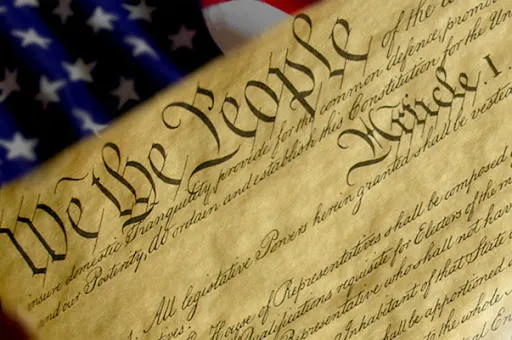
On July 4, America will mark 250 years since the signing of the Declaration of Independence. That day in 1776, the nation’s founders put forward a bold vision for a new democratic experiment, one rooted in shared values, with power derived from the people rather than imposed by a monarch or religious authority:
“We hold these truths to be self-evident, that all men are created equal, that they are endowed by their Creator with certain unalienable Rights, that among these are Life, Liberty and the pursuit of Happiness.”
These words form the moral framework of the nation’s identity. They were imperfect and incomplete, but they set a direction. What followed was not the immediate fulfillment of these ideals, but a centuries’ long struggle to uphold them. Over time, through organizing, advocacy, and moral courage, this country has continued to move closer to making those promises real for more people.
One of the most significant implications of these words is the idea that human rights are not granted by the government, but are inherent and “endowed by their Creator.” This was not a mistake or an oversight. It was an intentional choice that helped foreshadow what would soon become enshrined in the First Amendment, the right to religious freedom. By grounding human dignity in something beyond the authority of the state, the founders made clear that no government has the power to dictate belief, conscience, or faith.
Religious freedom is the right to believe, worship, change one’s beliefs, or not believe at all, without fear of coercion or discrimination. It is the freedom for individuals and communities to live according to their conscience. This is limited, of course, only by the idea that doing so does not infringe on the rights and dignity of others.
Religious freedom does not mean using religion to justify harm. It does not mean privileging one faith over others. It would be antithetical to religious freedom to allow any one group to impose religious doctrine through law, public policy, or public institutions.
True religious freedom protects pluralism. It allows people of many faiths and no faith to live side by side as equals.
For more than 30 years, Interfaith Alliance has stood firmly for this vision of religious freedom. Since our founding, we have worked to ensure that religion is never used as a weapon against democracy, equality, or human rights and that faith is never erased from public life, but instead protected through fair and inclusive policies.
We have shown up to defend religious freedom across our core issue areas including:
- Countering authoritarian threats to democracy;
- Maintaining healthy boundaries between religion and government;
- Protecting LGBTQ people from religiously motivated discrimination;
- Defending reproductive freedom and bodily autonomy;
- Confronting hate and extremism;
- Protecting public schools as spaces of inclusion and pluralism; and
- Opposing censorship and book bans that silence ideas and identities.
Across each of these efforts, we center the belief that religious freedom thrives when everyone’s rights are protected, not just a powerful few.
As we approach America’s 250th anniversary, Interfaith Alliance will continue to meet this moment with clarity and courage. This year and beyond, we will deepen our advocacy, strengthen our coalitions, and uplift the voices of faith leaders and communities committed to justice, democracy, and dignity for all. Because honoring the promise of 1776 requires more than celebration. It requires action.
The views and beliefs expressed in this post and all Interfaith Alliance blogs are those held by the author of each respective piece. To learn more about the organizational views, policies and positions of Interfaith Alliance on any issues, please contact [email protected].
Transcript

Why Hasn't Ted Cruz Canceled this Islamophobic Hearing Yet?
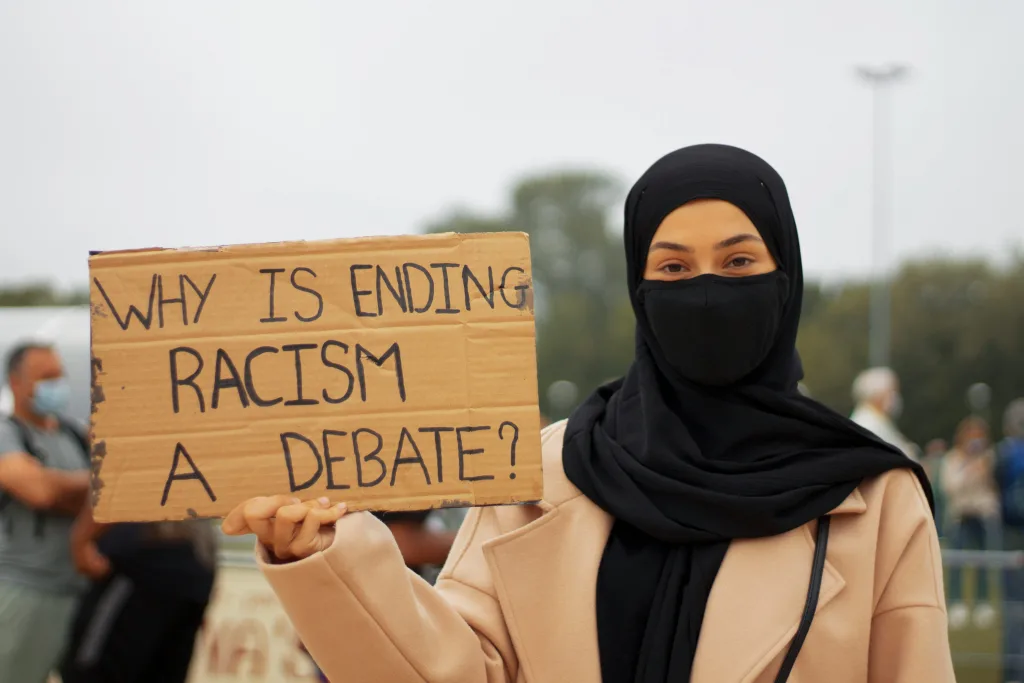
In May, the U.S. Senate scheduled a hearing titled "Hidden in Plain Sight: Confronting the Muslim Brotherhood Network in America" that threatened to escalate anti-Muslim fearmongering and disinformation in the halls of Congress. A postponement isn't enough. Cruz must cancel this hearing for good.