We’re a collective force for
Anti-Censorship
Banning books and censoring diverse viewpoints is harmful to our democracy, specifically impacting the diversity of the American people, including religious diversity.
Get Involved
We believe in the freedom to learn
Our nation’s public schools and libraries are building blocks for an inclusive, participatory democracy, where exposure to new ideas allows students to flourish and grow.
But a coordinated national censorship campaign is eliminating diverse perspectives and creating a hostile learning environment with a particular burden falling on youth representing minority faiths, races, ethnicities, sexual orientations and gender identities. Banning books and censoring diverse viewpoints is harmful to our democracy, specifically impacting the diversity of the American people, including religious diversity. Many of the titles being banned in schools and libraries around the country are about minority faiths, which is a threat to religious freedom. Further, in many cases, LGBTQ+ subject matter is being banned under the guise of religious freedom. It is imperative that people of faith speak out to protect our pluralistic, inclusive democracy.
.webp)

Tell Congress: Sponsor the Banned Books Resolution
A coordinated national censorship campaign – with deep ties to the Christian nationalist movement – is banning books and attacking the foundations of our democracy, targeting books about minority faiths and ethnicities, LGBTQ+ identity, racism, and history. Congress has an opportunity now to take a stand for our kids and for the First Amendment by supporting the Banned Books Resolution.
resources
Anti-Censorship resources

Instead of celebrating diversity of belief, many book ban advocates are using religion as a sword to discriminate by limiting subject matter that is not in line with one particular faith Perspective.
We are working in partnership with the American Library Association and PEN America to address growing censorship and book bans.
If you’re interested in learning more about our anti-censorship advocacy, please contact Tranée McDonald at [email protected].
Instead of celebrating diversity of belief, many book ban advocates are using religion as a sword to discriminate by limiting subject matter that is not in line with one particular faith Perspective.
We are working in partnership with the American Library Association and PEN America to address growing censorship and book bans.
If you’re interested in learning more about our anti-censorship advocacy, please contact Tranée McDonald at [email protected].
50 Banned Books Featuring Religious Minorities
See the listBanned Beliefs: How People of Diverse Faiths Are Fighting to Protect Our Public Schools and Libraries
Access the resource
Faith Communities Stand Up for Inclusive Public Schools
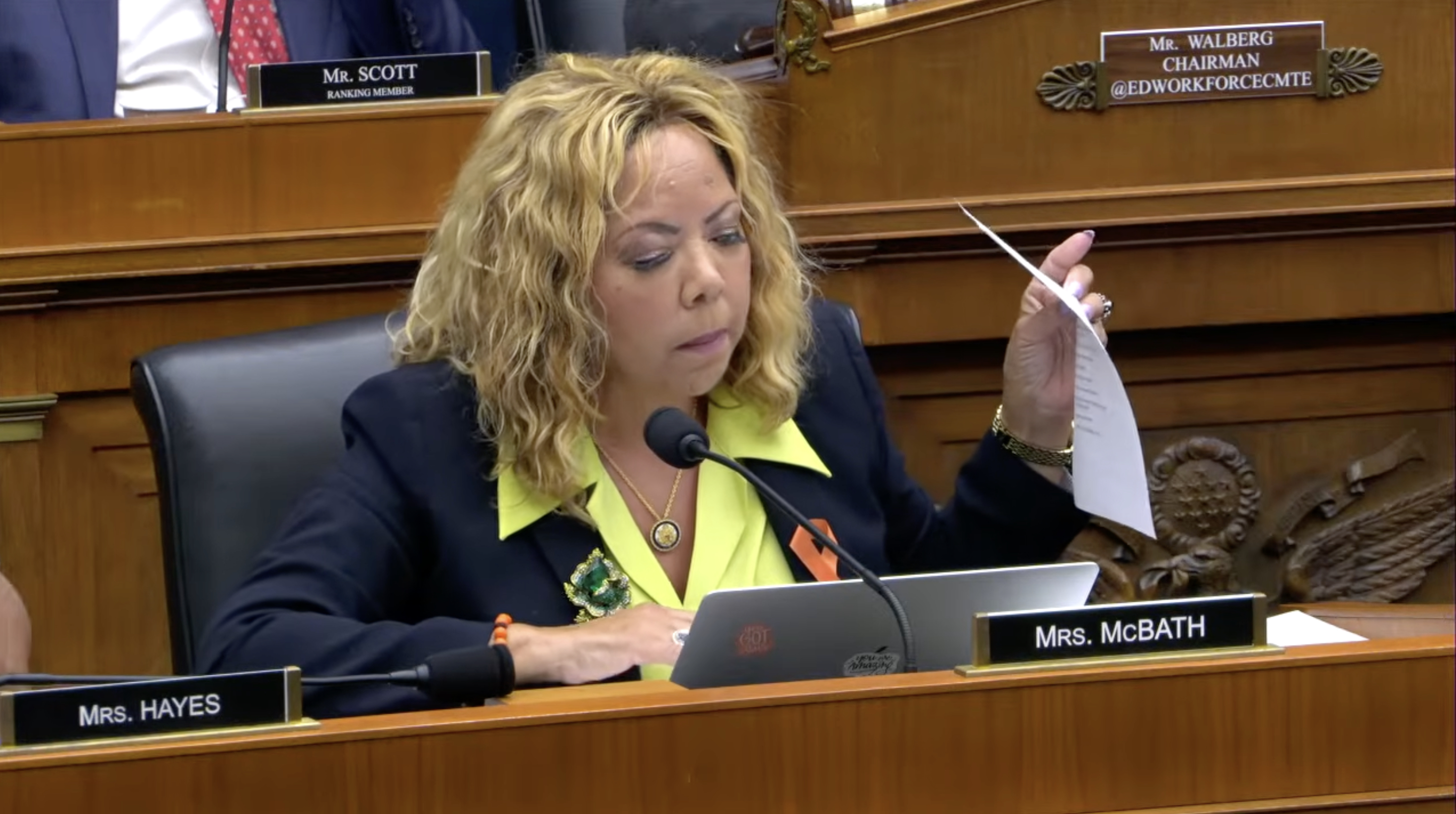
On June 10, the House Education and Workforce Committee held a hearing on K-12 education, calling before them superintendents from school districts across the country. Ahead of the hearing, Interfaith Alliance helped organize a coalition of faith-based and interfaith organizations to submit a letter to the committee in support of inclusive public education. Thanks to Rep. Lucy McBath, that letter was entered into the congressional record.

NSPM-7: Co-opting National Security to Suppress Dissent
The memorandum NSPM-7 enables the administration to investigate and prosecute individuals and entities it deems to be a threat to national security. In reality, NSPM-7 is a method to suppress free speech; it is not designed to actually address national security concerns.
Let's rise up against religious extremism together
Stay informed, get involved, be bold. We will send you the best ways to get involved in the faithful resistance, and the latest information on our work as a faithful community.