Analysis
All Are Neighbors

Student leaders at Baylor hosted a hosted a historic event on campus on Wednesday, April 22nd, as prominent Christian advocates for LGBTQ+ rights addressed the “All Are Neighbors” gathering – offering a powerful, values-driven alternative to Turning Point USA’s “This Is the Turning Point” tour stop happening the same day.
Baylor’s College Democrats, NAACP Baylor, Students Demand Action at Baylor, Hearts for the Homeless and Texas Rising asked for and received university approval to host the event, marking the first time that students at Baylor have been permitted to host leading gay advocates on campus. The event provided a critical counterweight to TPUSA.
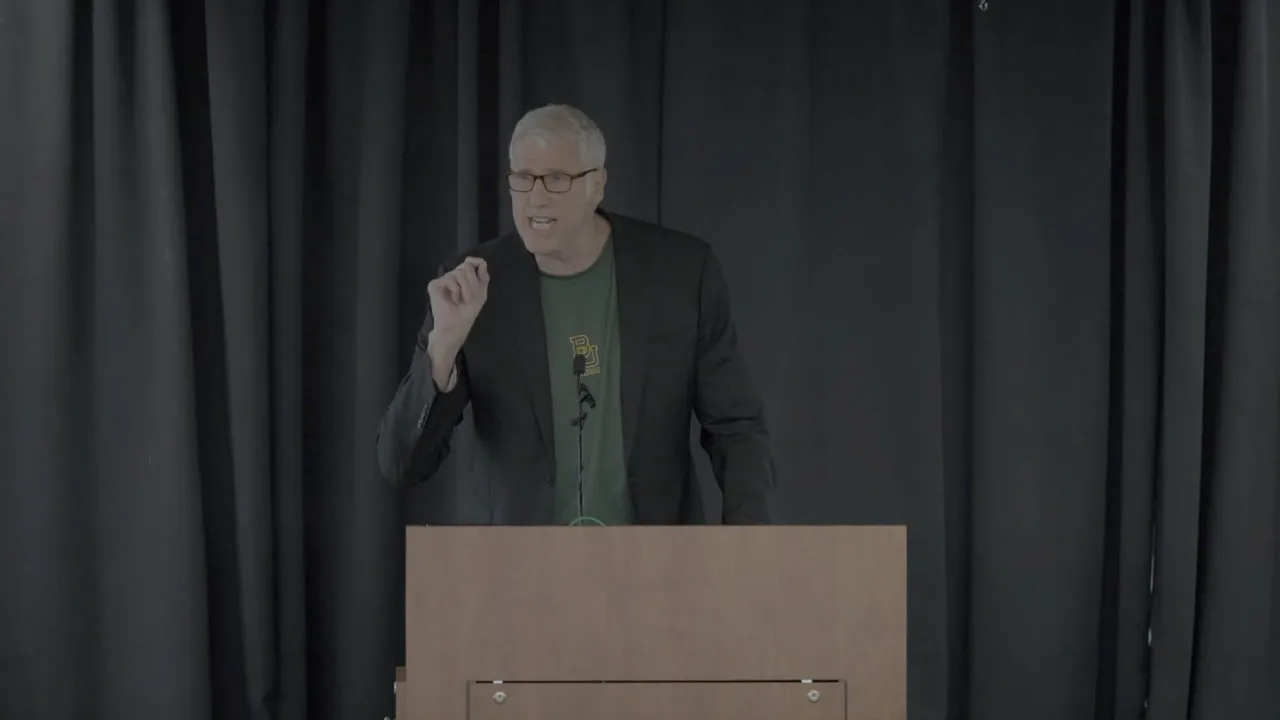
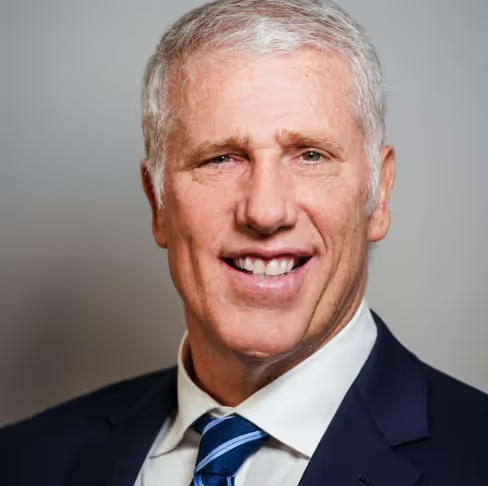
The following remarks were delivered by Interfaith Alliance president and Baptist minister Rev. Paul Brandeis Raushenbush at this historic event.
It is an honor to be with you for this All Are Neighbors celebration. I come to you as someone who has taken on the identity as an honorary member of the Baylor community. My sister married a bonafide Baylor Football star, and many of my friends and family are members of the Baylor community, as well as long standing colleagues in the work for religious freedom and democracy in America.
I am also indebted to the world-renowned Baylor University Press, that published one of the most important biographies of my great grandfather Walter Rauschenbusch, who was - yes, a Baptist minister, whose life was dedicated to the work of liberation and justice for the poor immigrants who made up his congregation.
So it gives me such joy to be here together to proclaim All Are Neighbors and to commit to that vision here at Baylor, in America and around the world.
In addition to my Baylor identity, I come to you today as a Baptist Minister, with three decades of doing my best to follow in the way of Jesus. I also come to you as a gay man who has been with my husband for 25 years and married to him for as long as that has been legal in this country. And together, my husband and I are raising two wonderful children in a family that is blessed by God. If saying that constitutes advocacy, then so be it.
I also come to you as an American who still believes in the promise made at our founding that all of us have the right to life, liberty and the pursuit of happiness. My identities are not in conflict with one another but are divinely bestowed upon me and my life. My faith teaches that each one of our lives - in all of our complexity and diversity - are divinely and beautifully created.
Let’s all take a moment with that principle. That each one of us in this room, and all across this campus - even at some other event that might be happening somewhere as well as all across the country and the world - each life is beautifully made, and is an embodiment of the image of God here on earth - no exceptions.
When we see the world with that Divine sight - the vision of what we are doing today at this gathering of All Are Neighbors becomes crystal clear.
Ok, so, you all understand now that the Baptist preacher in me is coming out - right? So, putting on that mantel I’m going to ask a Bible question to the fine people of this great Baptist University. What does Jesus say we are to do with our neighbors? LOVE them, that’s right. And just remind me… does Jesus say love all your neighbors except those folks over there? NO!
Ok! Well, the Baptist identity of this university feels intact to me in this room.
When we proclaim All Are Neighbors, we are also committing ourselves to the moral, spiritual and tangible work that comes with loving All Our neighbors - of every race, religion, immigration status, gender or sexual orientation. We are choosing to be in community with one another, and to be morally and spiritually responsible for and to one another. To quote Rabbi Joachim Prinz, who spoke in 1963 at the March on Washington, “Neighbor is not a geographic term, it is a moral concept.”
As you all know, in America today, this is hard and even dangerous work. Politics and faith are weaponized and wielded like a bludgeon against opponents, with vulnerable communities being scapegoated and dehumanized. That is the blasphemy that we need to confront. Too many of our neighbors are subjected to daily fear and violence that is all too real. That is the sin that needs to stop.
And yet in my work with faith communities all across America, I see more and more people showing up, speaking out and making the choice to love their neighbor. Just as we are doing here. And my witness to you today is that I believe we are part of the next Great Awakening of the American people, a spiritual mobilization, inspired by diverse peoples and rooted in love for our neighbor and our democracy.
The hallmark of this spiritual awakening is joy, and I want to let you know how much joy and life I am getting from being in community with you today. I’m grateful to be part of this community and honored to be showing up alongside the one and only Kelly Robinson, Rev. Susie Heyward, Dr. Greg Garrett, and Chaplain Sara Barton and especially the Baylor students, faculty, alumni and staff who are here today.
When I look out at your diverse, beautiful and divine faces, I can see a future in which all are neighbors. As the final line in the epic play Angels in America reads: “We won't die secret deaths anymore. The world only spins forward. We will be citizens. The time has come. Bye now. You are fabulous creatures, each and every one. And I bless you: More Life. The Great Work Begins.”
May it be so.
Rev. Paul Brandeis Raushenbush is the President and CEO of Interfaith Alliance.
The views and beliefs expressed in this post and all Interfaith Alliance blogs are those held by the author of each respective piece. To learn more about the organizational views, policies, and positions of Interfaith Alliance on any issues, please contact [email protected].
Transcript

Why Hasn't Ted Cruz Canceled this Islamophobic Hearing Yet?
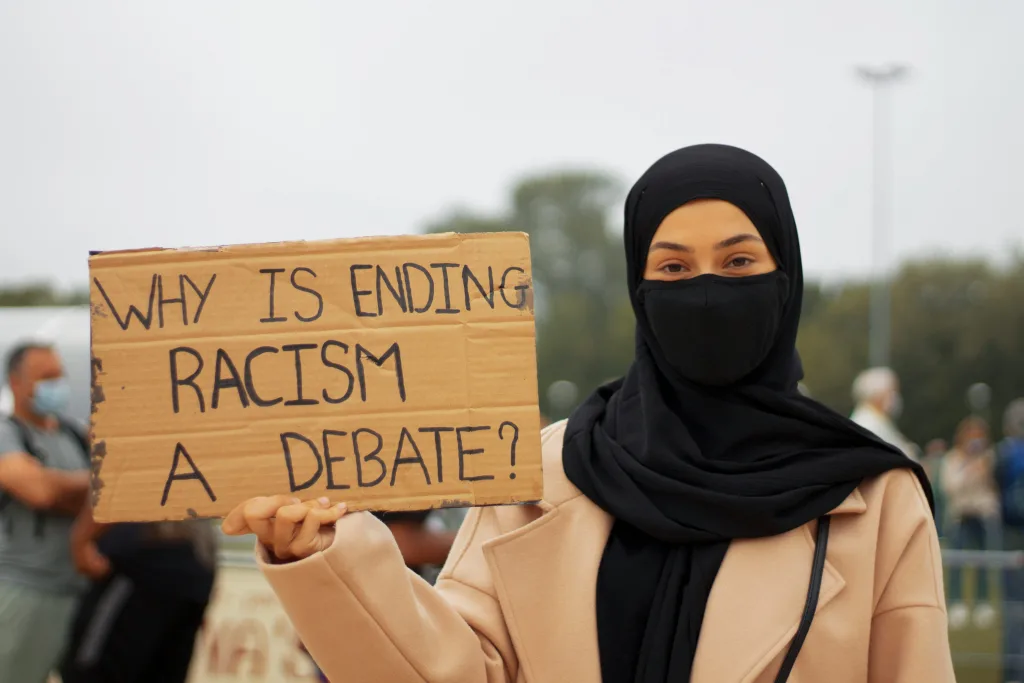
In May, the U.S. Senate scheduled a hearing titled "Hidden in Plain Sight: Confronting the Muslim Brotherhood Network in America" that threatened to escalate anti-Muslim fearmongering and disinformation in the halls of Congress. A postponement isn't enough. Cruz must cancel this hearing for good.