
General
Rededicating To America’s Promise

Chris Crawford, Senior Director of Civic Strategies at Interfaith America
Rabbi Michael Holzman, American Scripture Project and faith250
Maggie Siddiqi, Senior Advisor, Interfaith Alliance
Dr. Robert Traynham, Chief Executive Officer, The Faith and Politics Institute
Every year, hundreds gather to witness local leaders share their heartfelt reflections, participate in a reading of the Gettysburg Address, and in many cases, like ours this year, the celebration of the American spirit includes a Naturalization ceremony welcoming new citizens. While such rituals may seem like mere formalities or moments to honor history, they also communicate urgent questions and contain the potential for civic healing.
However, one topic dominated this year's ceremony at Gettysburg: the urgent divisions that challenge our country today. The battlefield at Gettysburg, and the Civil War more generally, represent the failure of Americans to overcome deep divisions without resorting to mass political violence. At the commemoration ceremony, many pondered whether we face the danger of a similar failure today. The keynote speaker, Dr. Jonathan White, struggled to contain his emotion, reminding us of how far we have wandered from Lincoln's profound call for "malice toward none, charity toward all."
Jackie Spainhour of the Gettysburg Foundation and Kristina Heister of Gettysburg National Military Park passionately conveyed how the Gettysburg Address is not merely a memorial but a rallying cry for action—a call that resonates within each of us. Lincoln articulated the stakes when he declared that it was a "test of whether that nation, or any nation so conceived and so dedicated [to the proposition that all men are created equal], can long endure."
Lincoln proclaimed, "We cannot dedicate—we cannot consecrate—we cannot hallow—this ground." Yet he urged, "It is for us the living to be dedicated here to the unfinished work which they who fought here have thus far so nobly advanced." He inspired us to take on the excellent task remaining before us—a purpose that ensures that “this nation, under God, shall experience a new birth of freedom, and that a government of the people, by the people, for the people, shall not perish from the earth.”
The speakers passionately emphasized that Lincoln's words were not just for those gathered 162 years ago; the torch of responsibility passes to us today.
Following the event, our little group discussed the subject of our nation’s quest for unity. The sanctity of the Gettysburg battlefield and cemetery, and the power of Lincoln’s words impressed upon us that true unity cannot be shallow. In his Gettysburg Address and his Second Inaugural Address Lincoln displayed remarkable grace toward his fellow Americans and challenged every American to reflect on their role in the sin of slavery and the historic calamity created by the nation’s inability to address that moral transgression. His words and that sacred American place urge us to recognize that our collective greatness lies deeper than power or might.
We recognized that our nation's strength is enriched by the diverse perspectives and identities we bring together under one American banner, rather than through forced uniformity. One member of our group recalled the moment in the Naturalization Ceremony when each new citizen's homeland was announced, which vividly illustrated Interfaith America's "Potluck Nation" metaphor—each of us contributes something unique and invaluable to the fabric of America. Another group member expressed anxiety, asking, "Will we be worthy of their desire to embrace American citizenship?"
Constructing a deep unity, one built upon pluralism, is psychologically and spiritually taxing. To unify around the wellbeing of all Americans, even those with whom we profoundly disagree, can strain the psyche, especially when many policy issues have become associated with people’s sense of identity. Pitfalls and obstructions abound, especially given the digital architecture of our time. Our visit underscored how experiential learning through pilgrimage, ritual, and sincere cross-faith dialogue, fortify our ability to ease that psychic tension and build deep unity.
One member of our group noted that Lincoln returned to the word "dedicated" six times in the 272 words of the Gettysburg Address. As we approach our 250th birthday as a nation, we are called to dedicate ourselves to something greater than our individual beliefs or political affiliations. If we genuinely seek unity in these challenging times, it won't come from simple festivities, even though we cherish those moments. Authentic unity arises from our commitment to pluralism and the tireless pursuit of a more perfect union.
Let us dedicate ourselves to this noble and essential task, living out the very ideals that make our nation extraordinary. Together, we can honor the legacy of those who came before us and forge a brighter future for generations to come.
Transcript

Announcing the 2025-2026 Interfaith Leadership Network Fellows
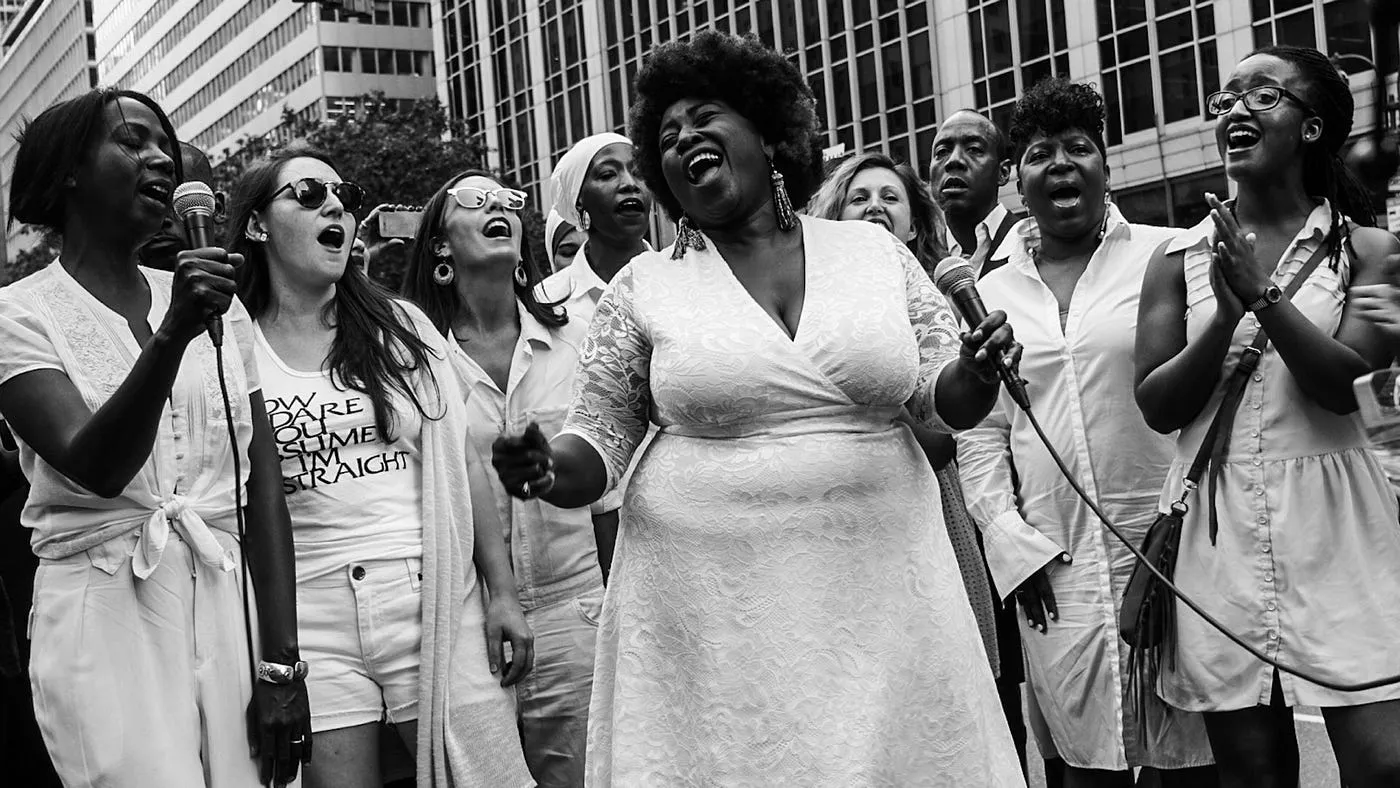
Interfaith Alliance is proud to announce the 2025–2026 cohort of the Interfaith Leadership Network, an extraordinary group of clergy, pro-democracy advocates, and community leaders advancing civil rights, inclusive religious freedom, and democracy in communities across the country. Through practical support, funding, and a powerful peer network, these fellows will mobilize interfaith collaboration to confront urgent local challenges and strengthen a pluralistic democracy.
One Year of The Trump Administration’s Attacks on Faith Communities and Abuse of Religion
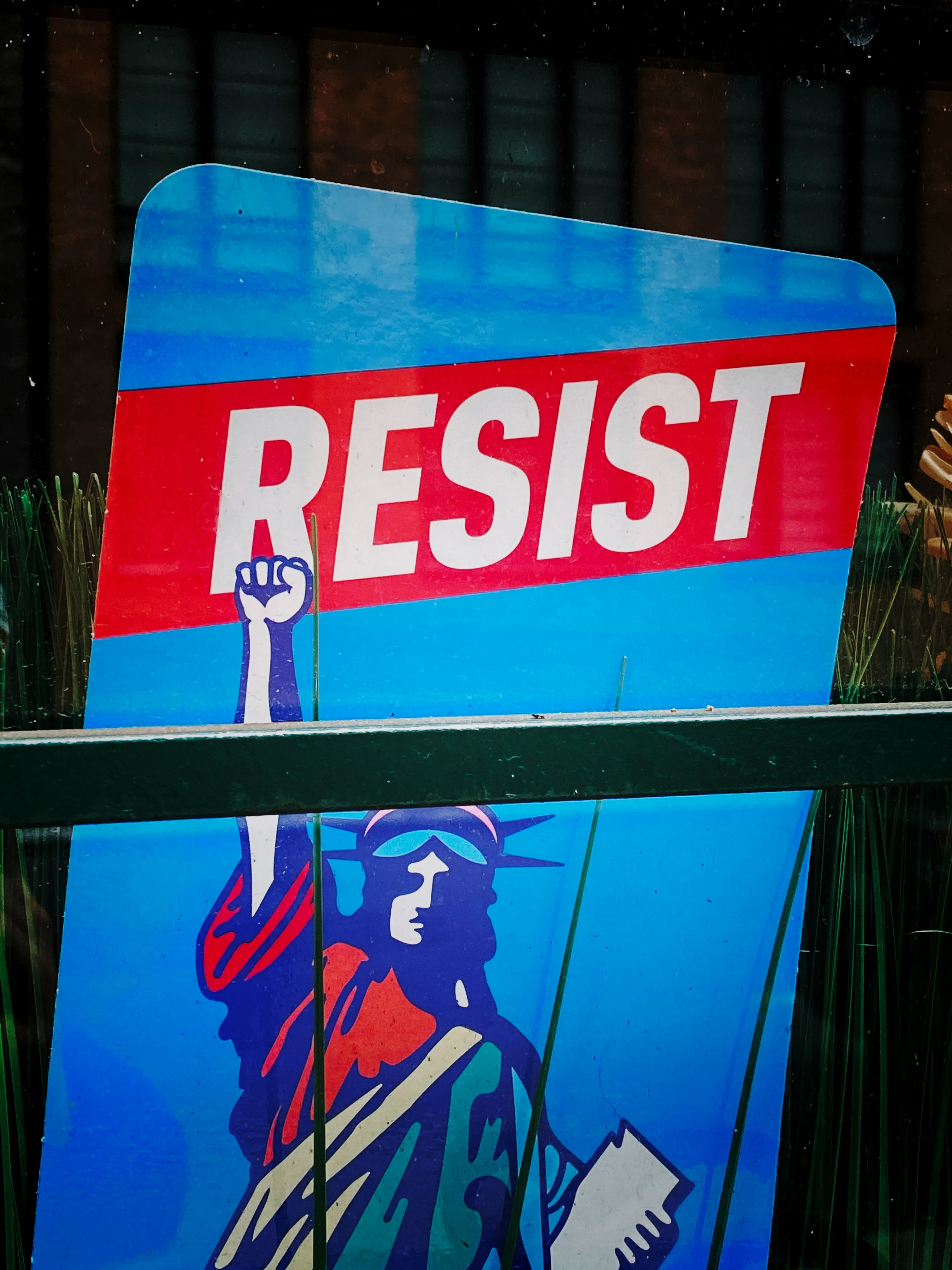
Over its first year, the Trump administration has weaponized religion to advance a white Christian nationalist agenda, attacking faith leaders, houses of worship, immigrants, and religious minorities while undermining core principles of religious freedom. Even as federal power has been used to intimidate and exclude, faith communities across traditions have mobilized to defend democracy, pluralism, and the right of all people to practice their beliefs.